
OfferUp® Recommerce Report 2026
Secondhand doesn’t ask you to settle for less – it puts more within reach
Each year, our Recommerce Report gives us a snapshot of how secondhand is showing up in Americans’ lives and where the market may be headed next. What stands out to me this year is that secondhand is increasingly about more than simply paying less. It’s about getting more of what you actually want – and more value from what you already have.
Eighty-one percent of U.S. shoppers say buying secondhand allows them to get what they really want without paying full retail price. And that opportunity extends far beyond clothing: roughly three-quarters of U.S. recommerce spending now happens across categories like furniture, electronics, home improvement, sporting goods, and autos.
There’s meaningful opportunity on the other side of the transaction, too. Nearly every shopper we surveyed owns something they believe they could resell, and more than half estimate they could make at least $500 from things they already have at home. Something one person no longer needs can become a great find for someone else – and put meaningful money back in the seller’s pocket.
That matters in an economy where people are thinking carefully about how far their money can go. Seven in ten shoppers told us economic or financial concerns influenced their decision to buy or sell secondhand over the past year. Recommerce gives people another way to stretch their budgets: they can pay less for what they need, access things that might otherwise be out of reach, and unlock value from what they already own.
At the same time, the way people want to participate is evolving. Technology can make buying and selling easier, but this year’s findings make clear that people still value authenticity, control, and human connection. They want tools that help them transact with confidence, without losing sight of the actual item or the real person on the other side of the exchange. We see that desire for control elsewhere, too: Gen Z shows a clear preference for keeping resale separate from their social profiles, while shoppers continue to favor buying from someone nearby and picking up locally when given the choice.
Those behaviors reinforce something we’ve long believed at OfferUp: there’s real value in a dedicated marketplace built around local exchange. Our role is to unlock the value already around us and make it easier for people to buy, sell, and connect in their communities.
With the U.S. recommerce market projected to reach $307.7 billion by 2030, the economic opportunity is significant. But what excites me most is what that growth can mean in people’s everyday lives: greater access to the quality they want, new value from the things they already own, and more ways to make their money go further.

Key Findings
We asked 1,500 U.S. adults what they really think about buying and selling secondhand. Here’s what it revealed:



Recommerce
(noun)
Synonyms: resale, secondhand
The act of buying and selling used and pre-owned items to save money, make money, keep good stuff in use, and find more value close to home.
The state of recommerce in 2026

Bought

Sold
And it adds up fast.
The U.S. recommerce market will reach $246.7 billion this year
Recommerce is also taking a larger share of U.S. retail spending*
-
7.1%
2025
-
7.5%
2026
-
8.3%
2030 Projected
Secondhand isn’t just adding new shoppers
Existing shoppers are buying more, too

81%
of shoppers are spending as much or more time on online resale platforms than they were a year ago.

78%
of shoppers are buying as many or more secondhand items as they were a year ago.
Secondhand puts what shoppers really want within reach
Secondhand isn’t just about spending less
81%
of shoppers say buying secondhand allows them to get what they really want without paying full retail price.
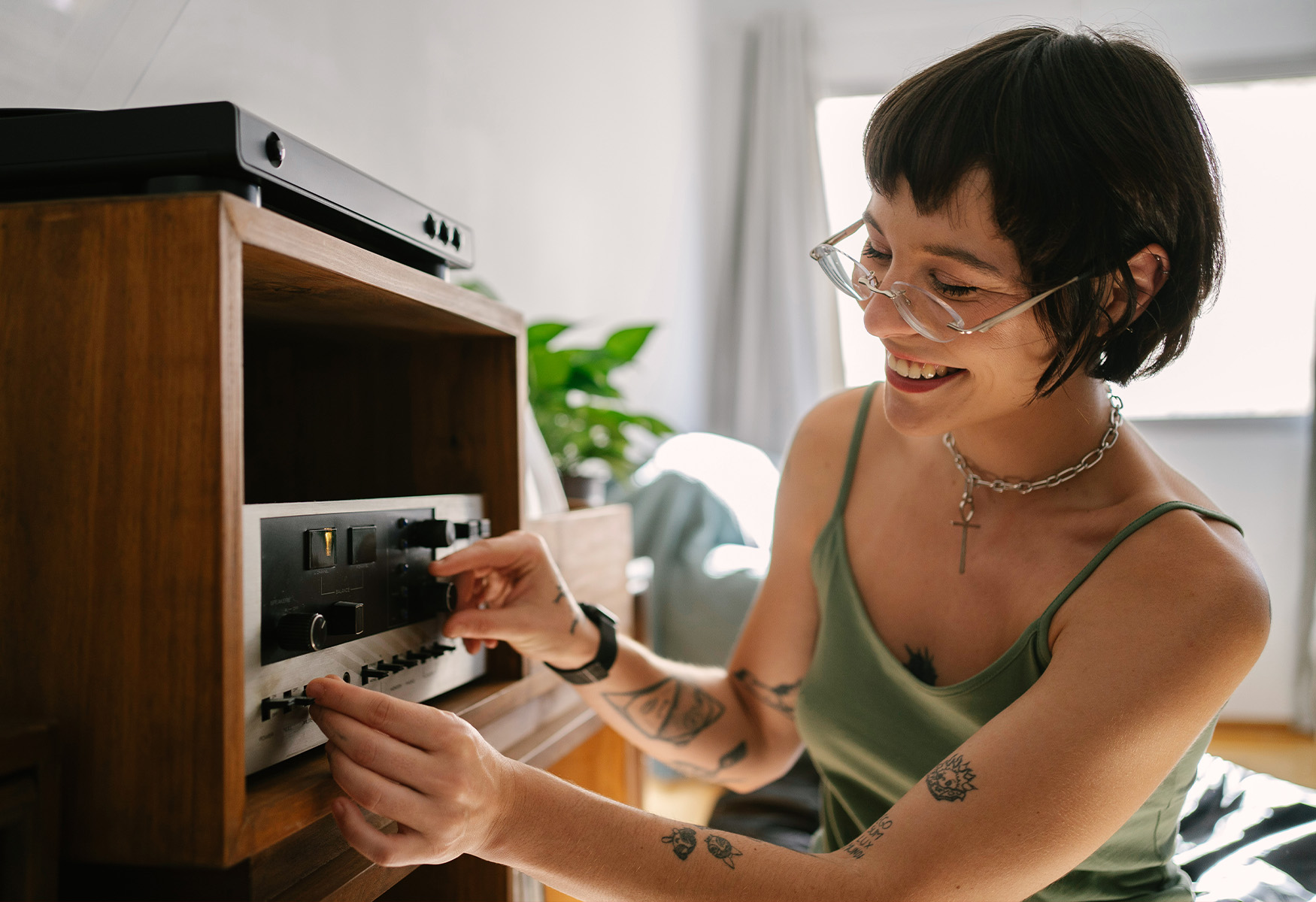
And when the right secondhand option is there, shoppers are choosing it over new
51% of all shoppers and 67% of Gen Z choose secondhand instead of new always or most of the time when they can find a suitable option.
For Gen Z, the value of secondhand goes beyond what they save
Younger shoppers are also thinking about how much they buy, what they can afford, and what an item could be worth later.
-
How much they buy
63%
of Gen Z shoppers have bought secondhand specifically to consume less or avoid overconsumption.
-
What they can afford
41%
of Gen Z shoppers buy secondhand to access higher-quality or higher-end items they couldn’t otherwise afford.
-
What it’s worth later
23%
of Gen Z shoppers say being able to resell something later matters when deciding whether it’s a good value.
Secondhand is bigger than the closet
Resale is often associated with clothing, but apparel is only one part of a much bigger secondhand market.

Approximately 75%
of U.S. recommerce spending happens outside apparel
Furniture, electronics, home improvement, sporting goods, auto and other categories account for roughly three-quarters of the U.S. recommerce market.
And secondhand is making its way into bigger purchase decisions
44%
of Americans check whether they can buy something secondhand before making a physical purchase of $100 or more.
The value hiding in America’s homes
The value in recommerce isn’t only in what people can buy. It’s also sitting in things they already own.


95%
of shoppers own at least one type of item they think they could sell or resell.
For the Americans who have something to sell, that stuff could be worth real money
Among respondents who selected at least one resellable category:
-
53% estimate they could make $500+
-
33% estimate they could make $1,000+
-
13% estimate they could make $3,000+
Secondhand in an uncertain economy

71%
of shoppers say economic or financial concerns have influenced their decision to buy or sell secondhand in the past year.
Rising costs are the biggest factor, with 56% pointing to cost of living or inflation.
Tariff concerns are making secondhand more appealing
51% overallvs.66% of Gen Z
say tariff-related price concerns have made them more likely to consider buying certain items secondhand rather than new.
Gen Z is feeling it most
-
91%
of Gen Z say economic or financial concerns have influenced their decision to buy or sell secondhand in the past year.
-
30%
of Gen Z say concerns about automation or AI affecting job opportunities in their field have influenced their decision to buy or sell secondhand.
Resale creates financial flexibility
Selling something you no longer need can do more than clear space. For many Americans, that money goes right back into everyday life.
Of the U.S. shoppers who made money selling secondhand this year, here’s where it went:
Paying bills or everyday expenses
Savings
Travel, hobbies or entertainment
Paying down debt
Starting or growing a business or side hustle
For some Gen Z, resale is also funding what’s next
18%
of Gen Z who made money from resale used it to start or grow a business or side hustle.

More than half would rather keep resale on a dedicated marketplace
55%
of Gen Z prefer a dedicated resale marketplace, with a profile used only for buying and selling.
Trust, AI and why local still matters
AI can make buying and selling secondhand easier. But shoppers still want to know that what they see in a listing is what they’re actually going to get.
Shoppers see useful roles for AI on secondhand platforms



But changing how the item looks is a different story
54% of
All respondents
68% of
Gen Z
say AI-generated images or AI edits that substantially change how the actual item appears make them less confident in a listing.
More shoppers prefer local pickup to shipping when both options are available
Local pickup
Among Gen Z: 45%
Shipped
Among Gen Z: 32%
The rest say it depends on the item, or they have no strong preference either way.
The evolving power of recommerce
Secondhand is changing how we think about value, making it easier to get the quality we want without paying full retail price and turn things we no longer need into meaningful financial opportunities. As recommerce becomes a bigger part of everyday shopping, consumers are looking for more than great deals: they want trust, authenticity, and control over how they buy and sell. At OfferUp, we're proud to help make that possible by connecting people to more value and opportunity right in their own communities.
To learn more, contact press@offerup.com.
Ready to experience it for yourself?
Methodology
The OfferUp Recommerce Report includes research and data from retail analytics firm GlobalData. GlobalData uses consumer surveys, retailer tracking, official data, data sharing, store observation, and secondary sources to analyze, model, and calculate metrics, including market and channel size, and market share.
Online market research provider Pollfish conducted a August 2026 survey of 1,500 U.S. adults, asking specific questions about their recommerce buying and selling behaviors.

© OfferUp, Inc. 2026
Gen Z is drawing a line between resale and their social profiles
Gen Z may have grown up sharing their lives online, but that doesn’t mean they want everyone they know seeing what they’re buying and selling.
47%47%
of Gen Z have avoided listing something for sale because they didn’t want friends, relatives or coworkers to see what they were selling, vs. 30% overall.